

For parents
You Don’t Have to Navigate Family Life Alone.
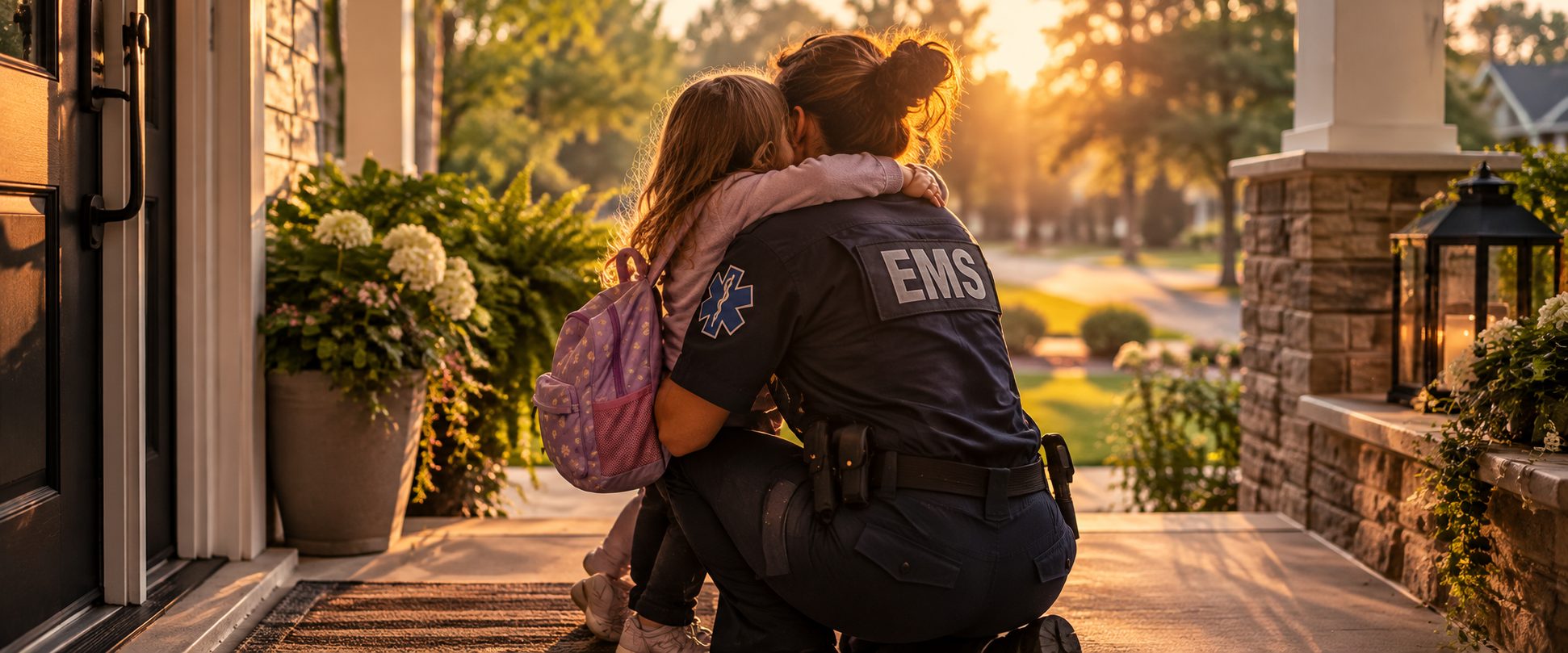
Kids don’t have to carry the weight of the profession. They deserve to be heard, supported, and reminded that they’re loved.
Being a First Responder parent or the significant other of a First Responder comes with challenges that other families may not always understand.
You don’t have to have the perfect words or all the answers. Small moments of connection, honest conversations, and asking for support can help your family grow stronger.
First Responders’ Bridge is here to support the whole family.
“I feel like [we] will be the ones breaking generational curses and coping with trauma we didn’t know was impacting our lives.”
Retreat attendee
“First thing I did was reach out to my adult children, tell them how much this retreat helped me, and say I was truly sorry for many things in years past. Both said they were proud of me.”
Paramedic, Michigan
“I’ve also learned and now realize that my children have likely been affected… The retreat opened my eyes and helped me realize how important it is to stay on the road to recovery not only for my sake but for my family as well.”
Law enforcement officer, Missouri
Conversation starters
Understanding their feelings.
Questions to ask your kids. Let them answer in their own time, and listen more than you talk.
- How do you feel when Mom or Dad goes to work?
- What is your favorite part about having a parent who is a First Responder?
- Is there anything about their job that makes you feel worried or scared?
- What is your favorite thing to do when Mom or Dad is home?
- What do you wish we could do together more often?
- How do you feel when Mom or Dad misses something important?
Questions kids may have but don’t know how to ask
Some children won’t ask directly whether their parent is safe, or why their parent seems different after work. A few of the questions they do ask, and ways you might answer.
Read the questionsBring your questions to a retreat
The retreat itself is for adults. The clinicians and peer supporters who lead the discussions and round-table talks are experienced in trauma response and in working with First Responders, and there’s time to ask your questions, including the ones about your kids.
If you’re not ready to register
That’s a completely normal place to be.
The Bridge Corp, doing business as First Responders’ Bridge, is a 501(c)(3) nonprofit organization. EIN 82-5475103. Westerville, Ohio.